Morning Meal
A nourishing start that includes a source of complex carbohydrates, protein, and something light and refreshing. Keeps energy steady for the morning ahead.
A practical, educational overview of how balanced, varied daily menus can be organized to support comfortable and consistent nutrition throughout the week.
Menu planning is the practice of organizing your meals and snacks ahead of time so that every day includes a comfortable variety of foods. Rather than making last-minute decisions, a structured menu gives you a reliable foundation to work from — reducing effort and supporting consistency.
Our approach to menu planning focuses on diversity, practicality, and flexibility. We do not promote rigid rules or strict calorie counting. Instead, we explore how different food groups can be arranged throughout the day in a way that feels natural and sustainable for your lifestyle.
A well-organized menu also helps reduce food waste, simplifies grocery shopping, and makes meal preparation more predictable — all small wins that add up to a noticeably more organized daily life.
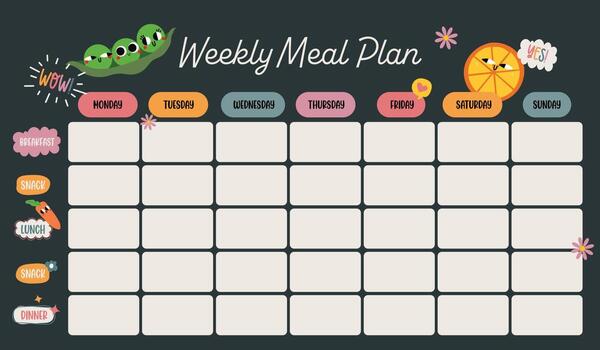
A balanced daily menu is built around consistent timing and thoughtful variety across each meal occasion. Here is a general overview of how a structured day might be organized.
A nourishing start that includes a source of complex carbohydrates, protein, and something light and refreshing. Keeps energy steady for the morning ahead.
A small, optional snack that bridges the gap between breakfast and lunch. Fruit, nuts, or a light grain-based option works well for most people.
The most substantial meal of the day for many people. A balanced combination of vegetables, protein, and whole grains provides variety and satisfaction.
A practical opportunity to stay nourished and hydrated during the afternoon. Light, easy-to-prepare options help maintain comfortable energy.
A calmer, lighter composition in the evening supports a comfortable wind-down. Focus on vegetables, lean proteins, and easy-to-digest grains.
Distributing water and other non-sweetened beverages evenly throughout the day is an often-overlooked element of a complete daily menu plan.
Starting a menu planning routine does not need to be complicated. A practical approach is to begin with a simple weekly structure and gradually refine it based on what works for you.
Most structured approaches suggest three main meals and one to two optional snacks. The right number depends on your schedule, appetite, and preferences — there is no single correct answer.
No — a menu plan is a guide, not a strict schedule. Flexibility is built in from the start. The goal is to make daily nutrition feel less improvised, not to add rigidity to your day.
Absolutely. Household menu planning often brings additional benefits: reduced food waste, shared grocery lists, and a more organized mealtime experience for everyone involved.
Our consultations are conversational, educational, and tailored to your personal schedule and preferences. Reach out to begin a no-pressure dialogue.
Contact UsAll materials and practices presented here are for educational and informational purposes only and are intended to support general wellbeing. They do not constitute medical diagnosis, treatment, or professional recommendations. Before applying any practice, especially if you have chronic conditions, consult a qualified physician.